










Frozen vs Fresh Vegetables in Dubai: Which Is Better for Restaurants, Hotels and Catering Businesses?

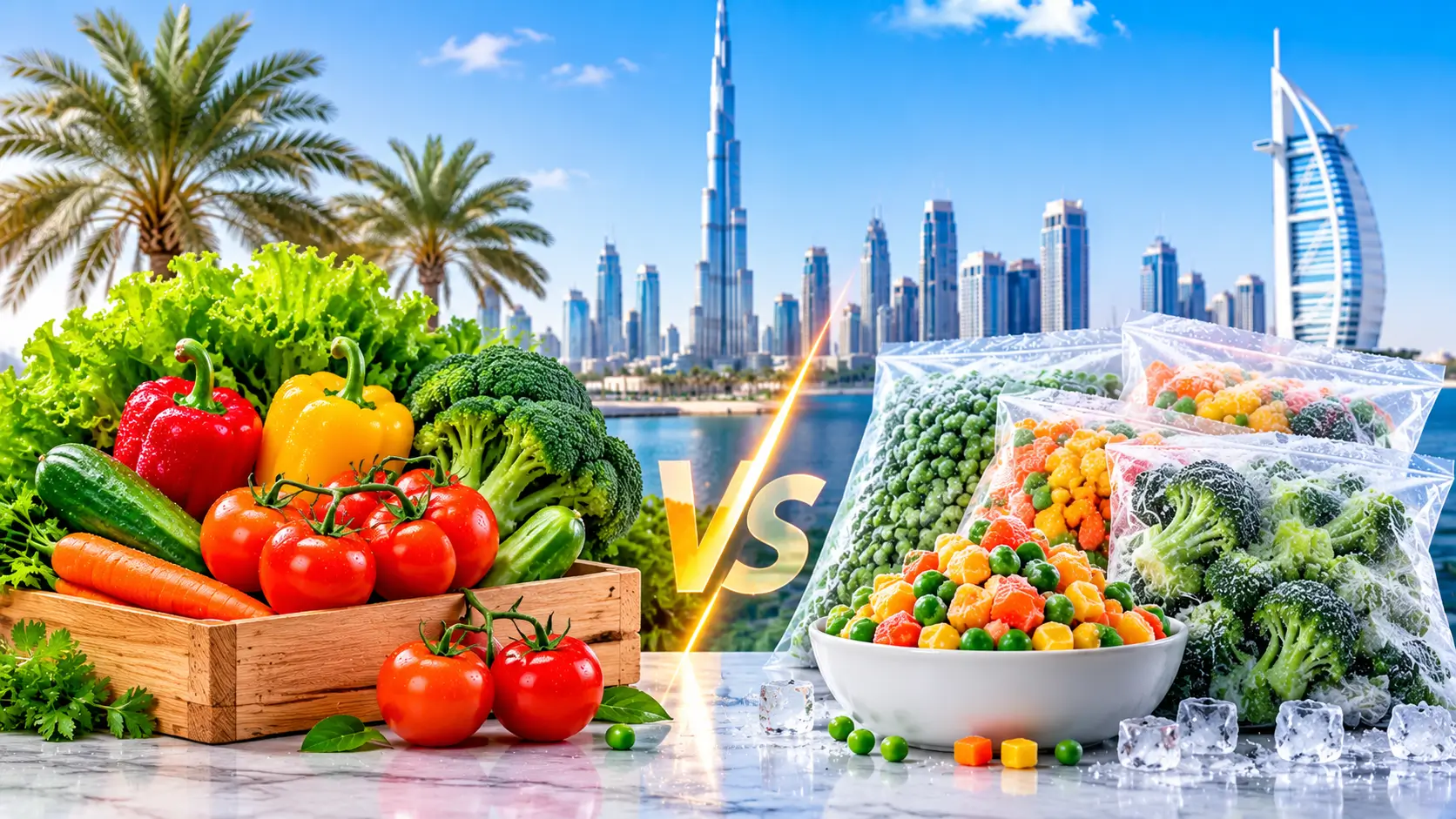
Should restaurants in Dubai choose fresh vegetables or frozen alternatives? It is a common question for restaurant owners, hotel purchasing managers, catering companies and professional kitchen operators. Both options have advantages, but choosing the right one can affect food quality, kitchen efficiency, purchasing costs and customer satisfaction.
The UAE food industry operates in a demanding environment. Businesses must manage changing temperatures, seasonal availability, imported produce, delivery schedules and food storage requirements. In a market where consistency matters, selecting the right ingredients is just as important as selecting the right supplier.
Understanding frozen vs fresh vegetables can help food businesses make smarter purchasing decisions. Rather than choosing one option for every dish, restaurants should consider the ingredient, cooking method, menu requirements and expected demand.
Let’s compare both options and explore which works best for commercial kitchens in Dubai and across the UAE.
1. What Is the Difference Between Fresh and Frozen Vegetables?
Fresh vegetables are generally sold in their natural, unfrozen condition. They may come from local UAE farms or international growing regions and are transported through suitable supply chains before reaching supermarkets, restaurants and wholesale buyers.
Frozen vegetables are processed and frozen to preserve them for storage and later use. Depending on the product, they may be washed, trimmed, cut or blanched before freezing. Many commercially frozen vegetables are frozen shortly after harvesting.
The main difference is not simply freshness. It is how each product is processed, transported, stored and prepared before reaching the kitchen.
For example, fresh broccoli may be ideal for salads, garnishes and dishes where its natural texture is important. Frozen broccoli may be more convenient for soups, sauces, curries and cooked meals where consistent preparation matters.
2. Fresh Vegetables in Dubai: Benefits for Restaurants and Hotels
Fresh produce remains essential for restaurants that prioritise presentation, natural texture and flavour. From premium hotels to neighbourhood cafés, fresh vegetables are used in a wide range of dishes.
Better texture and presentation
Fresh vegetables are often preferred for salads, sandwiches, wraps, garnishes and dishes where appearance matters. Crisp lettuce, firm tomatoes, fresh cucumbers and colourful peppers can improve the presentation of a meal.
For restaurants serving premium customers, visual quality can be an important part of the dining experience.
Suitable for UAE and international cuisines
Dubai’s multicultural food industry includes Arabic, Indian, Pakistani, Chinese, Japanese, European and many other cuisines. Fresh vegetables are important across these menus.
Ingredients such as coriander, mint, green chillies, aubergines, tomatoes, lettuce and speciality greens are used in everything from traditional curries to modern fusion dishes.
More flexibility in preparation
Fresh vegetables allow chefs to control how ingredients are washed, peeled, sliced and prepared. This is particularly useful for restaurants with customised recipes and presentation requirements.
Access to seasonal and locally grown produce
The UAE has a seasonal growing cycle. Cooler months generally provide better conditions for many locally grown vegetables, while hotter months can increase reliance on greenhouse production and imported produce.
For restaurant buyers, checking the origin and seasonal availability of ingredients can help with purchasing decisions and menu planning.
3. Frozen Vegetables in the UAE: Why Commercial Kitchens Use Them
Frozen vegetables are not simply a backup option. They can be a practical ingredient choice for many foodservice operations.
Convenient storage and longer usability
When properly frozen and stored, vegetables can generally remain usable for longer than fresh produce. This helps restaurants maintain stock for planned menus and reduce the need for frequent replenishment.
The actual storage period depends on the product, packaging and manufacturer’s instructions.
Consistent preparation
Frozen vegetables are often available in standardised cuts and formats. This can help kitchen teams prepare dishes with more consistent ingredient sizes and quantities.
For catering companies preparing hundreds of meals, this convenience can make a meaningful operational difference.
Reduced preparation work
Some frozen products are already washed, trimmed or cut. This can save preparation time and reduce the workload during busy kitchen hours.
Useful for cooked dishes
Frozen peas, sweet corn, mixed vegetables, broccoli and cauliflower can work well in soups, rice dishes, stir-fries, curries and sauces.
However, the final result depends on the quality of the product, storage conditions and cooking technique.
4. Frozen vs Fresh Vegetables: A Practical Comparison
The best option depends on how a restaurant uses each ingredient. Here is a comparison for commercial food buyers.
| Buying factor | Fresh vegetables | Frozen vegetables |
| Texture | Often better for crisp and raw preparations | Can become softer after cooking |
| Appearance | Suitable for salads and garnishing | Best suited to many cooked applications |
| Preparation | May require washing, peeling and cutting | Some products arrive prepared |
| Storage | Requires appropriate chilled storage | Requires freezer storage |
| Shelf life | Generally shorter | Generally longer when stored correctly |
| Availability | Can vary with season and supply | Can offer more predictable stock |
| Portion control | Depends on preparation and trimming | Often easier with standardised portions |
| Best applications | Salads, garnishes and fresh dishes | Soups, curries, sauces and cooked meals |
Neither option is automatically better for every restaurant. The right decision depends on the dish, the kitchen’s facilities and the total cost of using the ingredient.
5. Which Option Is More Cost-Effective for Dubai Restaurants?
Price is one of the most important considerations for restaurant purchasing managers. However, comparing the price per kilogram alone can give an incomplete picture.
Fresh vegetables may have trimming losses, peeling waste and shorter usable storage periods. Frozen vegetables may have a higher or lower purchase price depending on the product, brand, origin and packaging, but can reduce some preparation requirements.
Consider these factors when comparing costs:
Usable quantity: Calculate how much of the purchased product can actually be used after trimming, peeling or removing damaged portions.
Preparation labour: Consider the time staff spend washing, cutting and preparing fresh ingredients.
Storage expenses: Fresh and frozen products require different storage facilities and energy usage.
Food waste: Review how much produce is discarded because of spoilage, over-ordering or unused stock.
Menu requirements: Do not pay for a convenience product when fresh preparation is essential to the dish, or spend unnecessary labour preparing ingredients that are available in a suitable frozen format.
For example, a restaurant may choose fresh lettuce and tomatoes for salads while purchasing frozen peas and mixed vegetables for cooked rice dishes. This balanced approach can support both food quality and purchasing efficiency.
6. How Dubai’s Climate and Seasonal Supply Affect Vegetable Buying
Dubai’s climate makes proper food handling particularly important. High outdoor temperatures can affect the quality of fresh produce during loading, transportation and delivery if appropriate temperature controls are not maintained.
Fresh vegetables should be purchased from suppliers that use suitable handling and chilled transportation practices. Businesses should inspect deliveries promptly and transfer perishable products to the correct storage conditions.
Frozen vegetables require a separate cold-chain process. They must remain frozen during transportation and delivery, then be transferred to suitable freezer storage without unnecessary delay.
Seasonality also matters. Local and regional produce availability can change throughout the year, while imported vegetables may be affected by growing seasons, freight conditions and supply-chain changes.
Restaurants should therefore work with suppliers that can communicate product availability, country of origin, specifications and expected delivery schedules.
7. How to Choose Between Fresh and Frozen Vegetables for Your Menu
Instead of selecting one format for the entire kitchen, divide your ingredients according to their purpose.
Choose fresh vegetables when:
- Preparing salads, sandwiches and fresh wraps.
- Presentation and natural crunch are essential.
- Using vegetables as garnishes.
- Preparing dishes that depend on fresh texture.
- Working with seasonal local produce.
Choose frozen vegetables when:
- Preparing soups, curries and cooked sauces.
- Making large quantities of rice or vegetable dishes.
- Standardised cuts and portion sizes are useful.
- You need to maintain planned stock for regular menu items.
- Preparation time and kitchen labour are important considerations.
A mixed purchasing strategy is often the most practical solution for hotels, restaurants, cloud kitchens and catering companies.
8. What Should Businesses Check Before Buying Vegetables in Dubai?
Whether purchasing fresh or frozen products, businesses should assess their supplier carefully.
Check the following before confirming an order:
- Product quality, appearance and condition.
- Country of origin and product specifications.
- Packaging integrity and expiry or best-before dates.
- Storage and transportation conditions.
- Delivery schedules and order requirements.
- Minimum order quantities and pricing.
- Product availability and consistency.
- The supplier’s ability to handle regular commercial orders.
For frozen vegetables, also check for signs of thawing, damaged packaging or excessive ice crystals. For fresh vegetables, look for unwanted moisture, bruising, wilting and visible spoilage.
A reliable supply relationship can help businesses maintain consistent menu standards and manage purchasing more effectively.
Final Verdict: Should UAE Restaurants Buy Fresh or Frozen Vegetables?
There is no universal winner in the frozen vs fresh vegetables debate. Fresh vegetables are particularly useful for salads, garnishes and dishes where texture and presentation matter. Frozen vegetables can offer convenience, predictable portions and practical storage for many cooked dishes.
For restaurants, hotels and catering businesses in Dubai, the smartest approach is to select each ingredient according to its intended use, quality requirements, storage facilities and overall cost.
Asia Star Foodstuff supports food buyers with a selection of fresh local and imported vegetables, alongside a wider food portfolio for professional kitchens. Businesses can explore the available range through the Asia Star Foodstuff website and plan their purchasing around their menu and operational requirements.
Choosing the right combination of fresh and frozen ingredients can help your kitchen maintain quality, reduce unnecessary waste and deliver a consistent experience to customers.